

Retreat at Leisure Living | Evansville's Premier Independent Living

Brain-Boosting Activities to Stay Sharp After Retirement-image

Retirement community in Evansville, IN , brings freedom, but it also brings questions you might not have expected. After decades of structured days and mental challenges at work, many wonder: "How do I keep my mind as sharp as it was when I was working every day?" The good news? Your brain doesn't have an expiration date. Even as we age, our minds retain a fantastic ability to adapt and create new connections. Think of it like a muscle that stays strong when you use it. You don't need expensive programs or complicated routines to maintain mental sharpness. Simple activities you probably already enjoy—reading a good book, chatting with friends or even working in the garden—can make a real difference in how your brain functions as you age. The Mental Shift After Retirement Retirement rarely unfolds the way we imagine it will. You've spent months or years planning financially, maybe even dreaming about all the freedom you'll have. Then the first Monday arrives when you don't need to set an alarm and something feels... off. Why retirement can feel disorienting Retirement often creates an "existential vacuum" as you lose the organizing factor that has structured your life for decades. Your professional identity—doctor, teacher, electrician—suddenly disappears, leaving you wondering, "Who am I now?". This identity loss can be tough if your career was a source of personal pride and self-definition. The role of routine in brain health Many people don't realize that their brain needs structure to function at its best. When predictable work patterns disappear, it affects more than just your schedule—it impacts your mind's operation. Consistent daily activities function as cognitive exercises, keeping different parts of your brain engaged and active. These activities strengthen memory, focus and problem-solving abilities—all critical components of maintaining cognitive sharpness after retirement. Routines also reduce the mental energy you spend on constant decision-making, which helps lower stress levels that can impair brain function. The predictability of a structured day provides mental stability, helping to prevent rumination about health concerns or financial worries. Daily Brain Workouts You Can Start Today Once you've found your rhythm with a basic routine, specific brain exercises can make a real difference. When you give your brain the right kind of workout, it stays flexible throughout life and is ready to form new connections. Crossword puzzles and word games Crosswords aren't just entertaining—they're surprisingly practical brain training. The benefits go deeper than test scores. People who did crosswords regularly experienced less brain shrinkage, between 0.5% and 1% less in key areas, than those playing other brain games.  The power of reading and writing Reading might be the most accessible brain exercise available. Regular readers show a reduced risk of cognitive decline regardless of their educational background. The habit strengthens memory in older adults and research even links it to longer life. Writing by hand activates more brain regions simultaneously than typing, potentially boosting learning and memory. Start a journal to process your thoughts or explore creative writing through local classes or groups. Social and Creative Activities That Stimulate the Mind Here's something many people don't expect about retirement: the quiet can be louder than you thought. After years of workplace conversations, meetings and daily interactions, the sudden absence of social connection can feel overwhelming. But this challenge also presents an opportunity to build the kinds of meaningful relationships that truly nourish both your heart and your mind. Social activities aren't just nice to have—they're essential brain food. When you engage with others, your mind works in ways that solo activities simply can't match. Explore arts, crafts or music classes Music has a way of touching something profound inside us and research backs up what many of us feel intuitively. People who join choirs report feeling less lonely and more interested in life. The physical benefits are real, too—better breathing and stronger lung capacity. These creative activities do more than provide entertainment. They stimulate brain activity and can be particularly helpful for people living with dementia, stroke or Parkinson's disease. Whether you listen to music, dance or pick up an instrument, experts encourage making music a regular part of your routine. A More Satisfying Retirement  Retirement can feel overwhelming at first. You've spent decades with your days structured around work and now you're faced with endless possibilities—and maybe some worry about keeping your mind sharp as the years go by. The goal isn't perfection; it's creating habits that fit naturally into your life. Some days will be easier than others. You might not like doing a puzzle or attending a book club meeting. That's completely normal. What matters is getting back to these activities when you can, not maintaining a perfect streak. Whether you live in your own home or consider a community like Stonecreek Retreat at Leisure Living , call (812) 673-7877 to discover opportunities to stay mentally active everywhere. The key is choosing activities that bring genuine satisfaction, not just checking boxes for brain health. FAQs Q1. What are some effective ways to boost brain health after retirement? Engaging in daily mental exercises like crossword puzzles, reading and writing can significantly improve cognitive function. Additionally, participating in social activities, learning new skills and maintaining physical activity through walking or gardening help significantly in keeping your cognitive abilities keen. Q2. How does social interaction contribute to cognitive health in retirement?   Social activities stimulate multiple brain regions simultaneously, providing a comprehensive mental workout. Joining book clubs, participating in arts classes or volunteering can reduce isolation, improve critical thinking skills and contribute to overall cognitive resilience. Q3. Why is physical activity key in brain health for retirees?   Regular physical movement, such as walking or chair yoga, is crucial for brain health. It improves blood flow to the brain, reduces the risk of cognitive decline and can even help create new neural connections. Aim for at least 150 minutes of moderate weekly activity for optimal benefits.  

Read more

Downsize & Thrive: A Senior Moving Guide-image

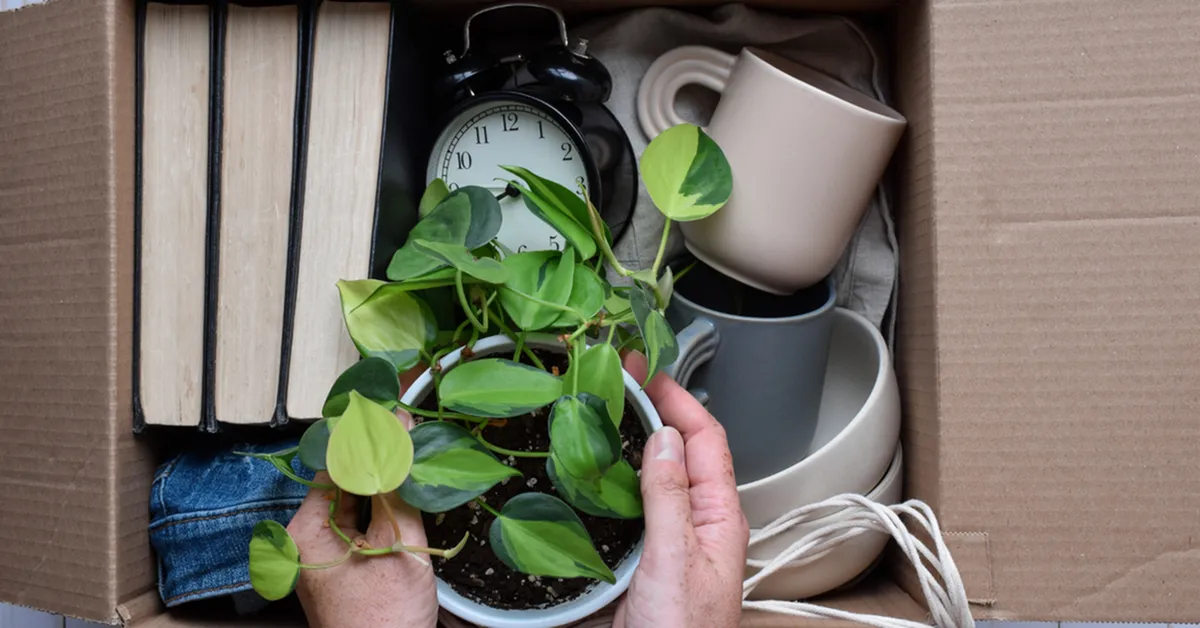
  Many seniors feel an unexpected sense of freedom when they downsize to an independent living community in Evansville, IN. The stress and anxiety from managing clutter and accumulated belongings in a larger home fade away. The path to simpler living takes time and careful thought. Starting the downsizing process early helps you make smart choices without feeling rushed.  The "Four-Box Method" (Keep, Donate, Give to Family, Discard) makes your decision-making easier.   Why Downsizing Can Be a Fresh Start Letting go to make room for what matters Letting go does more than just free up physical space: Renewed optimism - A decluttered living space brings a fresh outlook on life Mental clarity - Studies show fewer personal items positively affect emotions and well-being More meaningful connections - You'll have extra time for relationships and activities when you're not managing stuff On top of that, it feels good to sort through your belongings. You can take time to remember the joy certain items brought while you decide what stays. Looking ahead helps you cherish memories while welcoming new possibilities. Understanding the attachment to belongings Some common emotional responses to sorting through belongings include: Grief and nostalgia - Each item might trigger memories of people, places or life stages Anxiety about forgetting - Some fear that without physical reminders, important memories will fade Identity concerns - Possessions often feel like extensions of ourselves Note that these feelings occur naturally. Experts suggest that acknowledging these emotions rather than suppressing them leads to a healthier downsizing process. You should give yourself permission to express these feelings before you think about moving to an independent living community in Evansville, IN. Your Step-by-Step Downsizing Home Checklist Sort items into keep, donate or discard The "Four-Box Method" makes decisions easier by sorting your belongings into clear groups: keep, donate, give to family or discard. When you review each item, ask yourself: Did I use this last year? Does it truly mean something special to me? Will it work in my new space? You can take photos of special items you can't keep or create digital memories. This preserves the sentiment without taking up space. Visit your new space to visualize what fits Get the floor plan for your senior apartments in Evansville. This helps you know what will fit. Measure your furniture and map out where each piece goes. This practical step stops you from bringing items that won't fit in your new home. Use storage solutions for essentials After you've picked your essentials, focus on smart storage for your new home: Pick multi-purpose furniture like storage ottomans or bed frames with drawers Put clear labels on storage containers to find items quickly Use vertical storage to maximize space Keep items in the same spots to create a routine Making Your New Space Feel Like Home Bring familiar items that bring comfort The right meaningful possessions help you settle into your new space naturally. We selected items that spark positive emotions and memories: Personal keepsakes - Family photos, artwork and special mementos tell your life story Comfort essentials - Soft blankets, familiar bedding and your favorite chair create instant comfort Meaningful decorations - Artwork, books and cherished collections add your unique personality Quality matters more than quantity when choosing what to bring. Pick pieces that truly make you happy rather than just filling space. A Fresh Start  Your emotional connection to downsizing needs attention and care. Focus on the benefits ahead—reduced maintenance, lower costs and increased accessibility—while acknowledging these feelings. This perspective turns challenges into opportunities. Most seniors feel liberated, not limited, after completing their downsizing process. Contact us at (812) 673-7877 to learn more about our senior living community, Retreat at Leisure Living. FAQs Q1. What is the ideal age for seniors to consider downsizing?   While there's no set age, many seniors begin downsizing around 55, often after their children have left home. The right time depends on individual circumstances, health needs and lifestyle preferences. Q2. How can seniors effectively downsize their belongings?   Start early and tackle one room at a time. Sort items into categories like keep, donate or discard. Consider digitizing sentimental items and involving family for emotional support. Focus on keeping essentials and items that bring joy to your new space. Q3. Are there professional services available to help seniors downsize?   Yes, there are specialized services that assist seniors with downsizing. These professionals can help with move planning, sorting belongings, packing, unpacking and resettling in your new home. They understand the challenges of downsizing for seniors. Q4. How can I make my new space feel like home?   Bring items that provide comfort, such as cherished photos and meaningful decorations. Use smart, multifunctional furniture to maximize space. Get involved in your new community by joining activities and making connections with neighbors to create a sense of belonging.

Read more
Why Delay Joy? Independent Living Awaits-image

Too many seniors put off moving to independent living communities until health problems or mobility issues force them to act. Yet research clearly shows that making this move earlier brings a better quality of life, stronger independence and peace of mind for both you and your loved ones.  Don't see this change as giving up your lifestyle—see what you gain: ready-made social circles with peers, easy access to fitness facilities and delicious dining options and freedom from the constant worries of home upkeep.   Many seniors discover they live healthier lives with renewed purpose after joining these communities. Common Fears About Independent Living Fear of losing independence This concern typically comes from outdated ideas about senior living options. Many still imagine institutional settings where personal freedom takes a backseat. Seniors specifically worry about: Losing the ability to make their own daily routine choices Not deciding when and what they eat Following someone else's schedule Becoming reliant on others for everyday needs Today's independent living communities actually promote autonomy while offering support when needed. Residents typically maintain their own schedules, enjoy their favorite activities and make personal choices while knowing help exists if they want it. Worry about leaving familiar surroundings Many choose to stay in family homes even when struggling with maintenance, feeling isolated or dealing with safety concerns. The familiar, despite its problems, feels safer than the unknown. While these worries make perfect sense, they usually stem from misconceptions about what independent living truly offers. Most communities provide apartments where residents control who enters their space. Moving to senior independent living doesn't mean leaving your past behind – it means opening new doors while keeping your cherished memories close. What Independent Living Really Offers Freedom from home maintenance Picture exchanging your to-do list for a to-enjoy list. Independent living communities lift the entire burden of home maintenance from your shoulders. You'll never again worry about mowing lawns, fixing leaky faucets or clearing gutters – professional maintenance teams handle all these tasks.  A built-in social life Social connections grow even more vital as we age. Our independent living for seniors in Evansville, IN, creates vibrant social environments where relationships develop naturally. Our community offers meaningful opportunities for connection through: Community outings and entertainment Social events and holiday celebrations Dine-in cafe with a chef-prepared Menu Fitness center ​ How Moving Early Can Improve Your Life More time to enjoy amenities and activities When you move early to independent living, you gain the full experience of the vibrant community lifestyle. You'll have both the energy and physical ability to join fitness programs, attend social gatherings and enjoy recreational activities. People who move earlier enjoy: Time to build meaningful, lasting friendships with neighbors Opportunities to join wellness programs that might delay health conditions Full access to community amenities like fitness centers, libraries and dining options Less stress for you and your family Family members feel less caregiver burden when their loved ones move to supportive environments before reaching crisis points. Seniors who make this move proactively report feeling more satisfied and better adjusted compared to those who move reactively. Choosing early puts you firmly in control of your future. You can select the community that truly matches your preferences and lifestyle—something that might not be possible during an emergency. A More Fulfilling Life  The choice to move remains entirely yours. However, consider this: proactive decisions typically lead to better outcomes than reactive ones. Taking time now to explore your options puts you in control of your future rather than leaving things to chance or necessity. Want to see these benefits yourself? Contact us at (812) 673-7877 to schedule a tour of Retreat at Leisure Living and discover what independent living truly offers. This simple step might open the door to your most fulfilling chapter yet. FAQs Q1. What are the main benefits of moving to independent living early?   Moving to independent living while you're still active and healthy allows you to enjoy the amenities and activities offered. You'll have more time to form lasting friendships, participate in wellness programs and establish routines that contribute to a higher quality of life. It also makes future transitions easier if your care needs change. Q2. What should I look for when choosing an independent living community?   Consider the location, available activities and services and accessibility. Review the community's event calendar to ensure it offers programs that match your interests. Look for amenities like fitness centers, dining options and social clubs. Trust your instincts – the right community should feel welcoming and comfortable to you. Q3. How do independent living and assisted living compare? Independent living is designed for active seniors who can live on their own but want to enjoy a maintenance-free lifestyle with social and recreational opportunities. Assisted living, on the other hand, provides additional support with daily activities and may offer more medical care options. Independent living focuses on enhancing your lifestyle, while assisted living provides more hands-on care when needed

Read more
1 2 3
13 - 15 of 15 total