
Blog Posts

Finding Peace in Your Summer, Evansville, IN-image

Summer brings a special kind of joy, but it also offers something deeper—the chance to truly unwind and find peace in your daily life. When you're living in a senior living in Evansville, IN , those warm months become perfect opportunities to explore activities that genuinely enhance your well-being, helping you sleep better, feel calmer and reduce the stress that too often weighs us down. Your physical and mental health deserve this attention, especially since we know that ongoing stress can contribute to serious concerns like high blood pressure, heart disease and anxiety. Relaxing Activities to Try This Season Summer opens up a world of gentle possibilities. These aren't complicated practices that require special skills—they're simple moments you can weave into your day, each one offering its own pathway to calm. Listening to calming music When you settle into your favorite chair and let soothing melodies wash over you, your body responds in ways that surprise many people—your heart rate slows, tension melts away and those anxious thoughts that sometimes circle your mind begin to quiet. Set aside a few minutes each day for this simple pleasure. Choose music that speaks to your soul, close your eyes if you'd like and just be present with the sounds. This becomes a form of mindfulness that doesn't require any special training, just your willingness to pause and listen. Reading in a quiet corner Find that corner where the light feels just right, maybe near a window where you can glimpse the world outside. When you open a book, something wonderful happens—your mind naturally focuses on the story unfolding before you, setting aside the day's concerns and creating a peaceful mental retreat. This isn't just relaxation; it's a gentle workout for your brain wrapped in pure enjoyment. Practicing light yoga or stretching Movement doesn't have to be strenuous to be beneficial. Gentle yoga and stretching invite your body to release tension while your mind finds stillness. These practices work beautifully because they combine physical release with mindful breathing, creating stability and support throughout your entire being. Even if mobility is a concern, chair-based stretches can be great for your range of motion and help everyday activities feel easier. Enjoying a warm bath with essential oils Transform your regular bath into something special with the addition of essential oils. The process itself becomes a ritual of self-care: Blend 5-20 drops of your chosen essential oil with a tablespoon of carrier oil like almond Add this mixture just before you slip into the water to preserve the aromatic benefits Consider lavender for its stress-reducing qualities or chamomile for soothing tired muscles Spending time in nature Step outside and you'll discover nature's remarkable ability to heal and restore. Regular time outdoors genuinely improves your mental health and overall sense of well-being. There's even a practice called forest bathing—simply being mindfully present in natural settings—that has captured the attention of older adults because it creates such a powerful connection to the present moment and the world around us. Trying guided meditation Meditation offers profound benefits for your brain and overall health. It actually reduces cortisol, that stress hormone linked to increased dementia risk, while increasing cortical thickness and gray matter, which helps slow your brain's aging process. Start with short, guided sessions that walk you through each step. You don't need prior experience—just a willingness to try something that could bring unexpected peace to your days. Creative Ways to Stay Engaged Creating arts or crafts  There's something deeply fulfilling about creating with your hands. Craft projects become meaningful outlets where you can express yourself while discovering a renewed sense of purpose that lifts your self-esteem and supports your mental health. You might enjoy: Watercolor painting in a cool, shaded spot outdoors Pressing flowers from garden walks into lovely crafts Working on seasonal projects alongside your neighbors Write in a journal or gratitude notebook Your thoughts and feelings matter and journaling gives you a safe space to express them without worrying about judgment. This simple practice helps ease stress because you can pour out whatever you're thinking or feeling, which becomes especially valuable as you navigate your senior years. Regular writing also sparks creativity and clears mental clutter that might be weighing on you.  Explore photography or sketching Photography makes an ideal hobby because it adapts to whatever mobility level feels comfortable for you. You don't need fancy equipment to start—your smartphone probably takes better pictures than cameras did just a few years ago. Photography lets you express your unique perspective while staying connected to the world around you. Doing What Feels Right The beauty of this approach lies not in doing everything perfectly, but in choosing what feels right for you. Your peace doesn't have to look like anyone else's. It can be as simple as watching the morning light filter through your window or as social as sharing stories with neighbors over coffee. The key is recognizing these moments and allowing them to matter. Ready to explore what a peaceful summer might look like for you? Contact us at (812) 425-3460 to discuss how our community, Stonecreek - Retreat at Leisure Living , can support your journey toward the kind of life that truly fits who you are.  FAQs Q1. What are some relaxing activities I can try in my independent living community? Some relaxing activities to try include listening to calming music, reading in a quiet corner, practicing light yoga or stretching, taking warm baths with essential oils, spending time in nature and trying guided meditation. Q2. How can I stay creatively engaged during my independent living experience? Stay creatively engaged by doing arts or crafts, writing in a journal or gratitude notebook, exploring photography or sketching and attending music or poetry sessions. These activities stimulate cognitive function.

Read more
Longevity Myths Debunked in Evansville, IN-image

The belief that your genes control how long you'll live runs deep. Most people accept this as fact, assuming their family history seals their fate. Science paints a different picture entirely. For those considering 55+ independent living in Evansville, IN, this knowledge changes everything. You don't need to search for miracle cures or anti-aging breakthroughs. Healthy aging happens through consistent, thoughtful choices about your daily life. Humans can live remarkably long lives—the longest verified lifespans reach 122 years for women and 116 years for men. Yet many beliefs about what creates longevity come from myths rather than solid research.  Myth 1: Genetics Alone Determine How Long You Live The belief that genes control your destiny—especially how long you'll live—feels unshakeable. People see their family patterns and assume their fate is sealed. Recent research offers a far more hopeful reality. Your choices shape your future The most encouraging finding? You have tremendous control over your longevity through lifestyle choices . The following five healthy lifestyle factors can add 14.0 years for women and 12.2 years for men. The numbers tell a compelling story: People who adopt all five healthy behaviors cut their mortality risk by 63% compared to those with zero healthy habits About 60% of premature deaths stem from unhealthy lifestyle factors Eating enough fruits and vegetables alone adds 3.25 years to your life The best news? People with high genetic risk for shorter lifespans actually benefit more from healthy lifestyle choices. Your family history doesn't determine your future—your daily decisions about eating, moving and living do. Myth 2: Supplements Are the Secret to a Long Life Pharmacy aisles overflow with colorful bottles making bold promises about health and longevity. The supplement industry has built a massive business around the idea that pills hold the key to a longer life. Reality tells a different story. When supplements help—and when they don't Here's what might surprise you: a study found zero evidence that daily multivitamins reduce death risk from heart disease or cancer. The research revealed something even more concerning: healthy people taking daily multivitamins were actually 4% more likely to die during the study period. That said, specific supplements do serve important purposes in certain situations: Women planning pregnancy need folic acid to prevent neural tube defects, a dults over 50 often require vitamin B12 as absorption decreases with age and r ecent research shows that vitamin D supplementation helps maintain telomeres, potentially slowing biological aging Myth 3: More Exercise Always Means More Years The fitness world often promotes an "all or nothing" mentality. Push harder, run farther, lift heavier—surely more exercise equals more years of life. This thinking drives people to exhausting extremes, believing that anything less than maximum effort won't deliver results. The truth about overtraining Your body needs time to recover between workouts. Push too hard without adequate rest and you risk overtraining syndrome—a condition where your system can't bounce back properly. You'll notice decreased performance, persistent fatigue, disrupted sleep and frequent infections. Ultra-endurance athletes face even greater risks. Chronic excessive endurance exercise can actually harm cardiovascular health.  Myth 4: Red Wine, Sleep and Superfoods Are Magic Bullets Red wine at dinner, eight hours of sleep and exotic berries in your smoothie—these have become the holy trinity of longevity advice. People cling to these simple solutions, hoping they've found the secret to a longer life. Reality proves more complex. Red wine and resveratrol: what's real? Red wine contains resveratrol, a compound that sparked excitement in longevity research. Studies show that moderate red wine consumption increases the expression of key longevity-related genes and improves metabolic health in humans. Red wine may also help prevent artery damage from high LDL cholesterol levels and improve how well the cells lining blood vessels function. The complete picture tells a different story. While some research connects resveratrol to improved heart health, other studies found it "unable to affect actual survival or life span of mice".  The sleep sweet spot Eight hours of sleep sounds like the gold standard, but research challenges this assumption. A large-scale study tracking over one million people found that individuals who slept six to seven hours had lower death rates than those sleeping eight or more hours. Superfoods vs balanced diets No single food guarantees longevity, regardless of its nutrient density. Your overall eating pattern matters far more than any individual "superfood." For those in 55+ independent living communities, focusing on balanced meals provides greater benefits than chasing the latest nutritional trend.   The Impact of Daily Choices These longevity myths reveal something important: conventional wisdom doesn't always align with scientific truth. Your daily choices hold far more power over your lifespan than your family history suggests. While genetics matters, you control the majority of factors that determine how long and how well you'll live. Sustainable habits built around moderate movement, whole foods and quality rest create the foundation for healthy aging. These simple truths become particularly valuable when planning your living situation for later years. Longevity isn't just about counting years—it's about making those years count. The goal is living vibrantly, not just living longer. Questions about creating this kind of balanced lifestyle within a supportive retirement community ? Feel free to contact us at (812) 425-3460 to learn more about our independent living community , Stonecreek - Retreat at Leisure Living FAQs Q1. What factors influence our lifespan the most? While genetics plays key a role, lifestyle choices and environmental factors account for 70-80% of our lifespan. Adopting habits like regular exercise, a balanced diet and stress management can significantly impact longevity. Q2. Are supplements necessary for a longer life? Generally, supplements are not essential for longevity in healthy individuals. A balanced diet typically provides all necessary nutrients. Specific supplements may be beneficial only when recommended by a healthcare provider for diagnosed deficiencies.  

Read more
Senior Financial Abuse: Recognize & Prevent-image

Financial exploitation quietly affects millions of older Americans every year. The problem hides in plain sight, making awareness your most powerful tool. Financial exploitation wounds run deeper than bank account losses. Victims carry heavy emotional burdens—depression, anxiety and sleepless nights become constant companions. Research shows exploitation victims report significantly more depression symptoms and heightened anxiety compared to those who haven't experienced abuse. Spotting the Warning Signs Around You Changes You Might Notice in Behavior Something feels different when you visit. Your loved one seems more withdrawn, especially when certain people are around. They might dodge conversations about money that used to flow easily or you catch glimpses of anxiety when specific caregivers enter the room. Sleep patterns shift. Appetite changes. The social connections they once cherished start falling away. Financial Red Flags That Demand Attention Documents change without explanation. Wills get modified, powers of attorney shift hands and trust arrangements alter suddenly. You might spot signatures on checks that don't quite look right or discover withdrawals that make no sense. Watch for these specific warning signs: ATM use by someone who has never touched those cards before Early withdrawal from certificates of deposit, penalties ignored Bills are going unpaid despite sufficient funds sitting in accounts Credit card balances appearing where none existed When Relationships Become Controlling Someone starts gatekeeping access to your senior family member. They hover during conversations, answer questions directed at the senior or create barriers to private discussions. New friendships form quickly and seem unusually focused on financial matters rather than genuine companionship. Scams That Target Our Seniors Government impostor scams work because they create immediate fear. Criminals claiming to represent the Social Security Administration or IRS threaten arrest or account suspension. The urgency feels real because they design it that way. Romance scams have grown, with victims losing money to people they believe care about them. Other schemes to watch for include: "Grandparent scams," where criminals pose as grandchildren needing emergency money Tech support frauds claiming urgent computer problems requiring immediate payment Sweepstakes cons demanding upfront fees for prizes that don't exist Your awareness of these patterns creates the first shield of protection for vulnerable loved ones in senior independent living communities . Trust what you see and trust what feels wrong. Building a Protective Foundation for Your Loved Ones Stay connected through meaningful conversations Your regular presence in your loved one's life at independent living matters more than you think. Call or visit often and make these conversations count. Ask about their daily activities, their friends and yes, their finances too. Notice if stacks of mail pile up unopened or if they mention new acquaintances who seem unusually interested in their money matters. When you can, join them for important financial meetings. Your presence shows potential exploiters that someone cares and pays attention, while still allowing your loved one to maintain their independence. Choose financial helpers with care The key is choosing the right person for this important role. Look for someone who demonstrates integrity, pays attention to details and communicates clearly with both you and your loved one. Power of attorney arrangements can work well when executed properly. Professional fiduciaries offer another option, providing oversight without family complications. Whatever arrangement you choose, ensure the helper keeps their personal finances completely separate from your loved one's accounts. Keep watch over financial patterns Simple monitoring systems can catch problems early. Help set up automatic bill payments to avoid late fees and credit damage. Fewer accounts mean easier tracking and less confusion for everyone involved. Review monthly statements together when possible. This isn't about taking control—it's about staying informed. Unusual purchases or suspicious transactions become obvious when you know what normal looks like for your loved one. Share knowledge about common tricks Scammers use predictable tactics and knowledge is power. Help your loved one recognize these warning signs: High-pressure sales tactics demanding immediate decisions Requests for personal information over the phone Payment demands through gift cards or wire transfers "Prize" notifications requiring upfront payments Taking Action When You Suspect Financial Abuse Start with a gentle conversation Choose a moment when you can speak privately with your loved one. Pick a comfortable setting where they won't worry about being overheard. Your approach matters more than you might realize. Rather than jumping straight to accusations, express your concerns with care. "I've noticed some changes in your finances and I'm worried about you." works better than "Someone is stealing from you."  Document what you've observed Evidence matters when it comes to stopping financial abuse. Keep detailed records of everything you notice: Write down dates, times and descriptions of suspicious activities Take photos of any visible evidence with timestamps Save original documents that show unusual financial transactions Collect medical reports if physical abuse is also occurring Request copies of bank statements, investment records or credit card statements T​ his documentation becomes crucial if you need to involve authorities or pursue legal action later. Protecting our Seniors Together Protection starts with staying close. Regular conversations about their well-being create the foundation for financial safety. Simple steps like helping set up account monitoring, sharing knowledge about common scams or finding trustworthy financial help can prevent devastating losses. One honest conversation about financial management could protect someone you love from becoming another victim. That conversation might feel uncomfortable, but it's worth having. Your loved one's financial security depends on your willingness to stay involved and speak up when something doesn't feel right. The time to act is now, not after something terrible happens. If you are looking for independent living for seniors in Evansville, IN, contact us at (812) 673-7877 to schedule a tour of Stonecreek - Retreat at Leisure Living .  FAQs Q1. What are the most effective strategies to prevent senior financial abuse?   Preventing senior financial abuse involves several key strategies: regularly monitoring accounts and credit reports, simplifying financial arrangements, staying informed about common scams, maintaining social connections, assigning trusted individuals to help with money management and holding regular family financial meetings to ensure transparency and oversight. Q2. What are the warning signs of potential financial abuse in seniors?   Red flags for financial abuse include unusual bank account activity (like large or unexplained withdrawals), sudden use of ATM cards by seniors who've never used them before, unexplained transfers between accounts, changes in spending patterns and anxiety or confusion when discussing financial matters.

Read more
Independent Living: Fostering Patriotic Connection-image

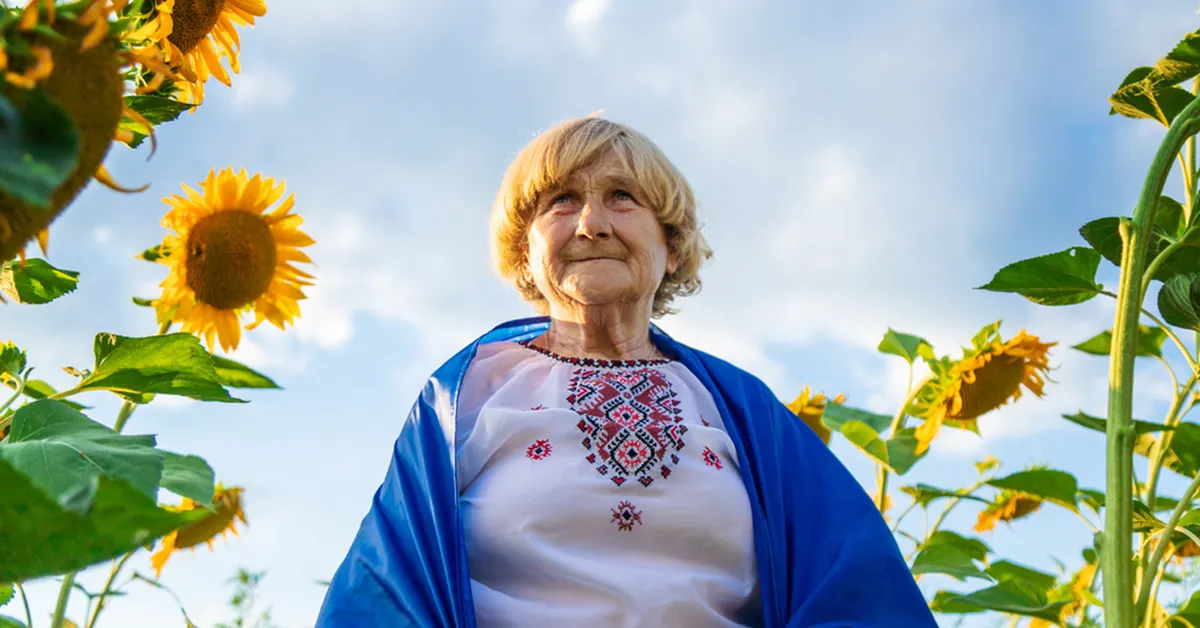
Patriotic holidays bring joy and connection to seniors at our independent living community in Evansville, IN . Independence Day celebrations stand out as the year's most anticipated events. These celebrations give residents meaningful ways to connect with their community and honor shared traditions. Retirement communities in Evansville, IN, know that simple activities bring great joy. Watching fireworks, cooking together or listening to music helps create special bonds between residents. Why Patriotic Celebrations Matter in Independent Living Boosting morale and emotional well-being Patriotic celebrations provide meaningful emotional benefits that appeal deeply to senior residents. These benefits make daily life better for seniors. Patriotic activities offer several emotional advantages: Reduced feelings of isolation – All but one of these people over age 45 feel lonely, but patriotic celebrations create chances for spontaneous interactions and shared experiences Enhanced sense of purpose – Community celebrations help people feel worthwhile and needed when they give and receive support Mood elevation – Simple activities like watching patriotic films or attending community events quickly lift people's spirits Reinforcing identity and shared values Patriotism creates what researchers call "a cohesive community and feeling of oneness and belonging," which is a vital part of both social and personal well-being. This connection shows a healthy attachment to society that independent living residents nurture through celebrations. Shared national identity motivates civic involvement and behaviors that benefit the wider community. This creates a strong foundation for Evansville's community resources to plan events that bridge generational gaps. Creative and Accessible Activities for All Seniors Crafts: Flags, wreaths and door hangers Patriotic crafts give seniors a great chance to show their creative side, regardless of their artistic background. The fun lies in making things as much as seeing the final creation. Here are some popular ideas: Flag-themed creations – Painted wooden pallet flags and simple paper versions let residents create displayable art that connects them to national symbols Decorative wreaths – Patriotic wreaths crafted from bandanas, felt or fabric scraps make beautiful door decorations that show the American spirit Festive door hangers – Simple items like popsicle sticks, paint and ribbons become charming patriotic door decor that residents display proudly Games: American trivia, bingo and puzzles Games keep minds active while providing fun and social benefits. American-themed trivia works especially well to spark memories and get people talking. Patriotic bingo adds another easy option – cards feature American symbols, foods or landmarks instead of numbers. Puzzles showing American landscapes or historical moments can keep everyone busy for hours.  Music: Patriotic playlists and sing-alongs Nothing touches hearts and memories like music. Patriotic playlists with favorites like "God Bless America," "America the Beautiful," and "This Land Is Your Land" make any Independence Day gathering special at Evansville independent living communities. Sing-alongs work great for seniors at all levels. These musical moments become the best parts of retirement community celebrations.  Bringing Families and Communities Together Plan a backyard picnic or an indoor potluck Food brings people together naturally. A patriotic-themed potluck dinner serves up more than just delicious dishes. It creates the perfect setting for lively conversations and shared moments that lift everyone's spirits. Here are some celebration ideas that work great: Red, white and blue buffet – Each family member can bring a classic American dish in one of the flag's colors Indoor alternatives – Bad weather? Just move your picnic inside or to a covered porch Hot dog bar – Create a fun buffet with toppings like chili, sauerkraut and classic condiments Invite family for storytelling and memory sharing Story sessions rank among the most cherished Independence Day activities. Your family's history can spark motivation and create powerful connections when you share what you discover. Simple questions work best: "Who in our family served in the military?" or "What freedom-celebrating traditions have been passed down?" Old photos from past celebrations create double the joy - you get to relive favorite holiday memories while making new ones. Include children in card-making or costume fun Activities that bring different generations together benefit everyone. Card-making stands out as a simple yet meaningful way to give back, especially with kids involved. These handmade creations carry special touches that brighten someone's day with messages of hope. Patriotic costumes add an extra dash of fun to any celebration. Uncle Sam outfits and flag-themed accessories delight children and honor national symbols. Family costume sets often become the highlight of Independence Day gatherings. Celebrating Independence Together Patriotic celebrations, without doubt, add richness to seniors' lives in independent living communities. Patriotic traditions mean much more than entertainment. These celebrations give seniors wonderful chances to connect with their personal histories while building community bonds.  Your loved one should experience these meaningful moments that blend joy, connection and patriotic pride. Call us at (812) 673-7877 to learn how we can help your family member at  Stonecreek - Retreat at Leisure Living achieve independence while joining vibrant community celebrations. FAQs Q1. What are the benefits of patriotic celebrations in independent living communities? Patriotic celebrations in independent living communities boost morale, alleviate loneliness, and enhance residents' sense of purpose. They also reinforce shared values, strengthen community bonds and create opportunities for meaningful intergenerational connections. Q2. What types of patriotic activities are suitable for seniors in independent living? Seniors can engage in various patriotic activities such as crafting flags and wreaths, playing American trivia games, solving patriotic puzzles and participating in sing-alongs featuring classic patriotic songs.   

Read more
Reinvent Your Life After 60: Finding Purpose in Retirement-image

Moving into independent living for seniors in Evansville, IN , represents a significant shift in your daily routine—stepping away from work structure into a world of new possibilities. Yet this change often feels unsettling. You might wonder who you are without the career that shaped your identity for many years. Here's a different way to think about retirement: it's not the end of your story but the beginning of a new chapter.  Finding yourself after retirement means you finally have permission to explore without the weight of deadlines and demanding schedules. Reinventing yourself at 60 allows you to follow interests you've pushed aside for decades. This stage of life opens doors to retirement communities where you can meet others on similar paths, engage your mind through learning and find meaningful ways to share the wisdom you've gained. Rediscover What Brings You Joy Your journey back to joy starts with remembering who you were before work and family consumed most of your waking hours. After decades of putting other priorities first, you have something precious: time to explore what makes you feel alive. This isn't about keeping busy—it's about reconnecting with the person you were meant to be. Reflect on past passions and hobbies Life has a way of crowding out the things we love most. You probably remember setting aside hobbies, telling yourself you'd get back to them "someday." Well, someday is here. Retirement permits you to dust off those forgotten parts of yourself. Older adults who engage in meaningful activities experience greater well-being and life satisfaction. These pursuits sharpen your mind, create social connections and build community—essential ingredients for aging well. Keep Your Mind and Body Active Your body and mind need attention during retirement just as much as your heart needs those rediscovered passions. Physical activity and mental wellness work together to support the independence you value while opening doors to new friendships—both crucial when reinventing yourself at 60. Explore fitness options like yoga or walking groups Yoga offers particular benefits for older adults. Research shows seniors who practiced Hatha yoga for two years outperformed their peers on cognitive tests. The practice builds balance, flexibility and confidence in moving through the world.  Walking groups provide another gentle entry point into fitness. The accountability and safety of group walking keep many people committed to regular exercise. Perhaps more importantly, the social connection draws people back week after week.  Practice mindfulness and stress reduction Mindfulness offers valuable support during life's major transitions. Research demonstrates that mindfulness training helps older adults manage stress, build emotional strength and navigate changes more smoothly. You can anchor yourself in the present moment to ease worries about what's behind or ahead of you. When you combine physical movement with mindfulness practices, you create a strong foundation for this period of finding yourself after retirement.  Connect With Others and Build Community Social connections matter more than you might realize during retirement. When you leave your job, you're not just walking away from work—you're stepping away from daily interactions that may have anchored your social life for years. The numbers tell a sobering story: about one in three adults aged 50–80 feel isolated from others and more than a quarter of those over 65 experience true social isolation. This isn't just about feeling lonely—isolation brings real health risks, including cognitive decline, heart disease, depression and anxiety. Benefits of joining a retirement community Retirement communities exist to solve precisely this problem. These environments unite people who understand what you're going through because they walk the same path. When you live among others with similar life experiences, friendships develop naturally around shared understanding rather than forced small talk. There's something powerful about being surrounded by people who get the unique challenges and opportunities that come with this stage of life.  Attend social events and group activities Community activities offer the easiest way to meet people who share your interests. Game nights work particularly well because they combine fun with mental exercise. Whether you prefer classic board games, card games or puzzles, these activities keep your mind engaged while giving you natural conversation starters. Don't limit yourself to games, though. Group fitness classes, cooking demonstrations, book clubs and volunteer opportunities create bonds through shared experiences. When you're focused on an everyday activity, relationships develop without the pressure of formal introductions. People who participate in meaningful group activities consistently report feeling more satisfied with their retirement years. Embrace Your Next Chapter With Purpose Retirement opens doors instead of closing them. Throughout this journey of reinventing yourself at 60 and beyond, purpose comes from staying connected to what matters to you, others and the unique gifts you bring to the world. Reconnecting with activities that once brought you joy creates the foundation for what comes next. These rediscovered interests often lead to surprising paths. Your authentic self emerges when you have space to explore without the pressure of deadlines and obligations. Discover how Stonecreek - Retreat at Leisure Living can provide the perfect environment for your next chapter. Call us at   (812) 673-7877 and schedule a tour of our community to see how our amenities and programs support your independent lifestyle and new ventures. FAQs Q1. What are some ways to stay socially active in retirement?   Joining a retirement community, attending social events, participating in group activities and using technology to stay in touch with family are excellent ways to maintain social connections. Consider joining clubs, taking classes or volunteering to meet like-minded individuals and build new friendships. Q2. How can I keep my mind sharp after 60?   Mentally stimulating activities are crucial for your cognitive health. Try learning new skills, practicing mindfulness, reading regularly, playing brain games or learning a new hobby. Physical activity, social interaction and healthy eating contribute to maintaining mental acuity. Q3. What are the benefits of being part of a retirement community?   Retirement communities offer numerous advantages, including built-in social networks, organized activities and amenities designed for seniors. They can help combat isolation, provide opportunities for new friendships and offer support services that contribute to better overall health and well-being in your later years.  

Read more
Brain-Boosting Activities to Stay Sharp After Retirement-image

Retirement community in Evansville, IN , brings freedom, but it also brings questions you might not have expected. After decades of structured days and mental challenges at work, many wonder: "How do I keep my mind as sharp as it was when I was working every day?" The good news? Your brain doesn't have an expiration date. Even as we age, our minds retain a fantastic ability to adapt and create new connections. Think of it like a muscle that stays strong when you use it. You don't need expensive programs or complicated routines to maintain mental sharpness. Simple activities you probably already enjoy—reading a good book, chatting with friends or even working in the garden—can make a real difference in how your brain functions as you age. The Mental Shift After Retirement Retirement rarely unfolds the way we imagine it will. You've spent months or years planning financially, maybe even dreaming about all the freedom you'll have. Then the first Monday arrives when you don't need to set an alarm and something feels... off. Why retirement can feel disorienting Retirement often creates an "existential vacuum" as you lose the organizing factor that has structured your life for decades. Your professional identity—doctor, teacher, electrician—suddenly disappears, leaving you wondering, "Who am I now?". This identity loss can be tough if your career was a source of personal pride and self-definition. The role of routine in brain health Many people don't realize that their brain needs structure to function at its best. When predictable work patterns disappear, it affects more than just your schedule—it impacts your mind's operation. Consistent daily activities function as cognitive exercises, keeping different parts of your brain engaged and active. These activities strengthen memory, focus and problem-solving abilities—all critical components of maintaining cognitive sharpness after retirement. Routines also reduce the mental energy you spend on constant decision-making, which helps lower stress levels that can impair brain function. The predictability of a structured day provides mental stability, helping to prevent rumination about health concerns or financial worries. Daily Brain Workouts You Can Start Today Once you've found your rhythm with a basic routine, specific brain exercises can make a real difference. When you give your brain the right kind of workout, it stays flexible throughout life and is ready to form new connections. Crossword puzzles and word games Crosswords aren't just entertaining—they're surprisingly practical brain training. The benefits go deeper than test scores. People who did crosswords regularly experienced less brain shrinkage, between 0.5% and 1% less in key areas, than those playing other brain games.  The power of reading and writing Reading might be the most accessible brain exercise available. Regular readers show a reduced risk of cognitive decline regardless of their educational background. The habit strengthens memory in older adults and research even links it to longer life. Writing by hand activates more brain regions simultaneously than typing, potentially boosting learning and memory. Start a journal to process your thoughts or explore creative writing through local classes or groups. Social and Creative Activities That Stimulate the Mind Here's something many people don't expect about retirement: the quiet can be louder than you thought. After years of workplace conversations, meetings and daily interactions, the sudden absence of social connection can feel overwhelming. But this challenge also presents an opportunity to build the kinds of meaningful relationships that truly nourish both your heart and your mind. Social activities aren't just nice to have—they're essential brain food. When you engage with others, your mind works in ways that solo activities simply can't match. Explore arts, crafts or music classes Music has a way of touching something profound inside us and research backs up what many of us feel intuitively. People who join choirs report feeling less lonely and more interested in life. The physical benefits are real, too—better breathing and stronger lung capacity. These creative activities do more than provide entertainment. They stimulate brain activity and can be particularly helpful for people living with dementia, stroke or Parkinson's disease. Whether you listen to music, dance or pick up an instrument, experts encourage making music a regular part of your routine. A More Satisfying Retirement  Retirement can feel overwhelming at first. You've spent decades with your days structured around work and now you're faced with endless possibilities—and maybe some worry about keeping your mind sharp as the years go by. The goal isn't perfection; it's creating habits that fit naturally into your life. Some days will be easier than others. You might not like doing a puzzle or attending a book club meeting. That's completely normal. What matters is getting back to these activities when you can, not maintaining a perfect streak. Whether you live in your own home or consider a community like Stonecreek Retreat at Leisure Living , call (812) 673-7877 to discover opportunities to stay mentally active everywhere. The key is choosing activities that bring genuine satisfaction, not just checking boxes for brain health. FAQs Q1. What are some effective ways to boost brain health after retirement? Engaging in daily mental exercises like crossword puzzles, reading and writing can significantly improve cognitive function. Additionally, participating in social activities, learning new skills and maintaining physical activity through walking or gardening help significantly in keeping your cognitive abilities keen. Q2. How does social interaction contribute to cognitive health in retirement?   Social activities stimulate multiple brain regions simultaneously, providing a comprehensive mental workout. Joining book clubs, participating in arts classes or volunteering can reduce isolation, improve critical thinking skills and contribute to overall cognitive resilience. Q3. Why is physical activity key in brain health for retirees?   Regular physical movement, such as walking or chair yoga, is crucial for brain health. It improves blood flow to the brain, reduces the risk of cognitive decline and can even help create new neural connections. Aim for at least 150 minutes of moderate weekly activity for optimal benefits.  

Read more
7 - 12 of 14 total