
Posts about independent living

Growing in Popularity: 55+ Independent Living for Seniors-image

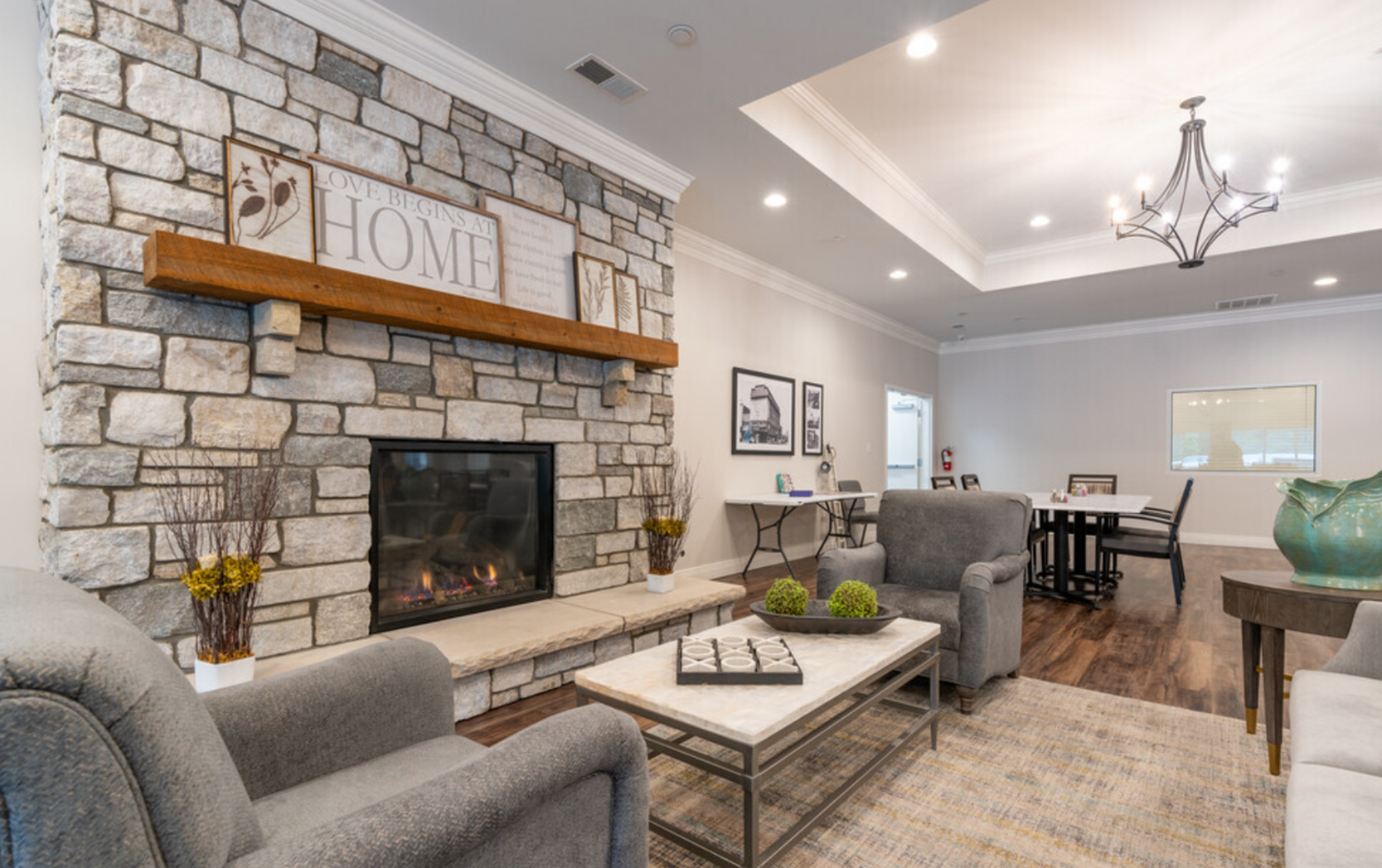
You've probably noticed something interesting happening around you. More of your friends and neighbors are making the move to 55+ independent living communities in Evansville, IN. Their enthusiasm is genuine and there's solid reasoning behind their choice. Seniors today are approaching retirement differently than previous generations. They want freedom from home maintenance burdens, but they also crave connection and purpose. This desire makes perfect sense when you see what communities actually offer their residents. The appeal goes beyond someone else handling your roof repairs and lawn care. These communities address a real problem many of us face—social isolation.  What is 55+ Independent Living? Many people picture independent living as just another housing arrangement for older adults. That misses the bigger picture entirely. These communities represent a thoughtful lifestyle choice, one that acknowledges your desire for freedom while providing the support that makes sense at this stage of life. A lifestyle choice, not just a housing option Independent living communities focus on helping residents create their ideal daily experience through meaningful friendships, exceptional service and engaging activities. Most people choose these communities because they want a different way of living, not because they need help with daily tasks. Who it's for: Active, self-reliant adults This lifestyle works best for active, self-reliant adults who can manage their daily needs independently. You're a good fit if you: Value your independence, but want fewer home-related responsibilities Are ready to downsize while keeping an active lifestyle Want social connections with peers who share similar interests and life experiences Can live independently without regular medical assistance What Independent Living Really Offers When you consider 55+ independent living in Evansville, IN, specific benefits make this choice appealing to so many active adults. Here's what draws people to this lifestyle: Freedom from home upkeep Picture your weekends without gutter cleaning, furnace repairs or worrying about that creaky deck. Independent living communities handle all the exterior work that homeownership demands: Landscaping and grounds care Building repairs and updates Snow removal and seasonal tasks Social connections happen naturally Social isolation affects too many seniors, but these communities solve the problem through well-planned activities and shared spaces. Seniors who interact with people beyond their usual circle experience fewer negative feelings and better moods. Game nights, community events and shared interests provide easy ways to form genuine friendships. Fitness programs that work for you Staying active matters more as we age, yet less than one-third of Americans aged 65+ meet exercise guidelines. Communities address this with programs designed for older adults. Dine-in Cafe with chef-prepared menu Good nutrition supports healthy aging and our community provides dine-in cafe with chef-prepared meals that balance taste with nutritional needs. Whether you prefer casual bistro settings or elegant dining rooms, you skip the grocery shopping, cooking and cleanup entirely. Transportation when you need it Communities typically offer scheduled rides for medical appointments, shopping trips and social outings, so you can maintain your active lifestyle without transportation worries. Making Your Decision Retirement planning involves countless choices, but few matter as much as where you'll spend these years. The communities throughout Evansville represent something different from what many of us imagined retirement would look like—and that difference often proves to be exactly what we needed. If you're curious about whether this lifestyle might suit you, a personal tour can answer questions that brochures and websites cannot. Contact us at (812) 425-3460 to schedule a visit to Stonecreek - Retreat at Leisure Living and see firsthand what daily life looks like in our community. This choice goes deeper than simply selecting a place to live. You're designing the retirement experience you want to have. Thousands of people have discovered that the right community doesn't restrict their independence—it gives them the freedom to use it in ways they hadn't considered before. FAQs Q1. What is the difference between 55+ independent living and assisted living? 55+ independent living is designed for active, self-reliant adults who can care for themselves without daily assistance. Unlike assisted living, it doesn't typically offer personal care or on-site medical services. Independent living focuses on providing a maintenance-free lifestyle with social opportunities and amenities for active seniors. Q2. How do 55+ communities support healthy aging? These communities support healthy aging through various means. They offer group fitness programs and nutritious dining options for physical health, classes and hobby groups for mental stimulation and social events and activities for emotional well-being. This comprehensive approach helps residents maintain an active and engaged lifestyle.

Read more
Anxiety in Seniors in Independent Living in Evansville, IN: Is It Normal?-image

You might feel worried about anxiety becoming part of your life when considering senior living in Evansville, IN . Here's what matters most: anxiety doesn't belong to the aging process, even though it touches many older adults. Moving to independent living naturally brings some concerns about your new space, daily routines or meeting neighbors. Understanding anxiety symptoms in seniors helps you recognize when typical concerns cross into territory that deserves attention Is Anxiety Normal in Independent Living Communities? Independent living communities bring major life changes. Seniors often feel concerned during this transition, which raises an important question: when do normal worries cross the line into something more serious? Understanding the difference between worry and disorder The difference between everyday worry and an anxiety disorder shows up clearly when you look at how long it lasts and how much it affects you: Normal worry : Stays temporary, focuses on specific issues and goes away once you handle the situation Anxiety disorder : Sticks around, feels excessive and seriously disrupts your daily life and overall well-being Anxiety disorders happen more often among seniors than most people realize, yet they frequently go unnoticed and untreated. Early Signs of Anxiety in Seniors Spotting anxiety symptoms early makes a real difference in your quality of life. Whether you're exploring senior living in Evansville, IN or watching out for someone you care about, catching these warning signs quickly opens doors to better management and treatment. Changes in appetite or sleep Sleep troubles often tell the story first when anxiety appears in older adults. Watch for these patterns: Taking more than thirty minutes to fall asleep Waking up multiple times during the night or too early Sleep that leaves you feeling tired  Sleep maintenance insomnia, where you can't stay asleep, shows up most often in anxious seniors, with early morning awakening coming in second. Your relationship with food changes too. Many seniors notice their desire to eat fading, their appetite dropping or outright refusing meals, which often leads to losing weight without trying. Avoiding social events or activities Withdrawal from social activities becomes another clear signal. Seniors dealing with anxiety often pull back from friends and family. This happens for several reasons: Group settings feel overwhelming Worry about embarrassing yourself grows too strong Energy and motivation to join in just aren't there Increased irritability or confusion Your mood shifts in ways that might surprise you. Look out for: Getting irritated or impatient more easily Struggling to focus or make decisions Forgetting things or seeming confused People sometimes mistake these signs for normal aging or dementia, but when they stick around, they deserve your attention. Physical complaints with no clear cause Anxiety in seniors often shows up in the body before the mind. These unexplained physical symptoms might include: Muscle tension, weakness or constant tiredness Heart racing or chest pain Feeling dizzy or lightheaded Trouble breathing or feeling like you're choking Managing Anxiety You don't have to face anxiety alone. Effective coping strategies can genuinely improve how you feel day to day and seniors often find success with approaches tailored to their unique experiences. Creating a calming daily routine Your daily structure becomes a foundation for feeling more secure. Something as simple as starting each morning with gentle stretches or a few quiet minutes before breakfast can set a peaceful tone. Regular meal times, exercise and relaxation periods give your mind predictable anchors throughout the day. This predictability matters more than you might think—it creates stability when other aspects of life feel uncertain. Using community activities to reduce isolation Connection with others serves as powerful medicine against anxiety. Group activities offer natural opportunities to build relationships. Even brief conversations during lunch or a shared laugh during activities can ease anxious feelings. You might feel hesitant to join in at first, but remember that most people genuinely appreciate friendly interaction. Small steps toward connection often lead to meaningful relationships. When to talk to a doctor or therapist Professional support becomes important when anxiety interferes with your daily life for more than two weeks. Pay attention to these signs: Worry that continues despite your best efforts to manage it Physical symptoms like a racing heartbeat or difficulty breathing Sleep problems lasting longer than two weeks Simple relaxation techniques that help Your nervous system responds well to gentle breathing exercises and muscle relaxation. Try the 4-7-8 breathing method: breathe in for four counts, hold for 7, then exhale slowly for eight counts. This technique works because it activates your body's natural relaxation response. Prioritizing Your Health While anxiety touches many seniors, it doesn't have to define your independent living experience. The worries you feel about adjusting to new surroundings are natural human responses - but they shouldn't overwhelm your daily life or steal your peace of mind. Your mental health matters just as much as your physical health. Both deserve care, attention and the right resources. This new chapter can unfold with confidence when you have the knowledge and tools to address anxiety head-on. Looking for an independent living that prioritizes your well-being? Contact us at (812) 425-3460 to schedule a tour of Stonecreek - Retreat at Leisure Living FAQs Q1. How can seniors manage anxiety in independent living communities? Seniors can manage anxiety by establishing a calming daily routine, participating in community activities to reduce isolation, practicing relaxation techniques like deep breathing and seeking professional help when anxiety persists for more than two weeks or significantly impacts daily life. Q2. What are some early signs of anxiety in older adults? Early signs of anxiety in seniors include changes in appetite or sleep patterns, avoiding social events or activities, increased irritability or confusion and physical complaints with no clear medical cause.   

Read more
Labor Day: Senior Reflections in Independent Living in Evansville, IN-image

September's first Monday brings Labor Day—a chance to pause and appreciate the years you've spent building careers, raising families and contributing to your community. For those calling 55+ independent living in Evansville, IN, home, this holiday feels particularly meaningful. Your decades of work didn't just shape your own life; they helped build the world we see today. This day is your opportunity to look back on everything you've accomplished with genuine pride. Think about it—Labor Day exists because of people exactly like you.  Celebrating Labor Day in Independent Living Communities Why this holiday matters to seniors Your relationship with Labor Day likely feels different now than it did during your working years. This makes sense—you've earned the right to see this holiday through the lens of experience and reflection. The day acknowledges something important: your decades of contribution to America's workforce matter. Every job you held, every challenge you overcame, every colleague you mentored—these experiences shaped not just your life, but our entire society. But there's another layer to consider. Labor Day also shines a light on people whose work often goes unnoticed—the caregivers and support staff who make daily life possible for many seniors. These individuals provide personal care, medical support and the kind of companionship that helps you maintain your independence and quality of life. Reflecting on a Lifetime of Work Retirement gives you something precious—time to truly appreciate the professional path you've walked. Independent living offers residents the perfect moment to honor those working years through thoughtful reflection and hands-on projects. Sharing stories from past careers Every career tells a story beyond job titles and company names—it reveals your character, the choices you made and the impact you created. When you share these experiences with others, something beautiful happens: real friendships form while younger family members gain wisdom they can't find anywhere else. Personal reflection remains important throughout every stage of life, including retirement. When you take time to consider how your career shaped who you are today, several benefits emerge: You'll rediscover skills that still serve you well You gain fresh appreciation for how your work mattered You notice which core values have stayed constant over the years You see connections between past experiences and current community activities Creating a memory wall or scrapbook Photos and cherished items from your working life offer deep comfort and help maintain your sense of identity. Consider starting a career scrapbook as your next project. This goes beyond simple crafting—it becomes a meaningful way to reflect, connect with others and build something lasting for your family. For seniors who love sharing experiences, the creation process itself brings as much joy as the finished result. Scrapbooking also exercises your memory skills as you take this mental trip through your professional years. The completed book becomes a family treasure, strengthening bonds across generations through the stories you preserve. Fun and Accessible Ideas Crafting patriotic decorations Try these projects: Patriotic wreaths using embroidery hoops and scrap fabric Festive utensil holders from upcycled jars or cans Table runners made from inexpensive burlap or bandanas Hosting a community BBQ or picnic Few things bring people together like sharing a meal outdoors. Plan your gathering with comfort in mind—shaded seating areas protect everyone from heat stress, while a senior-friendly menu featuring tender meat cuts and corn kernels removed from the cob ensures everyone can enjoy the feast. Keep water readily available for hydration. Accessible lawn games welcome participants at every mobility level, turning your picnic into an afternoon of laughter and friendly competition. Organizing a movie marathon Sometimes the best celebrations happen indoors with comfortable seating and beloved films. Choose genres that spark memories—musicals, 40s film noir or classic comedies create perfect movie marathon experiences. The smell of fresh popcorn and the comfort of air conditioning make this a wonderful way to spend time with neighbors while escaping the afternoon heat. Playing themed games and trivia Mental engagement feels especially rewarding when it connects to meaningful topics. Set up a scavenger hunt with items that are easy to locate or create giant versions of familiar games like tic-tac-toe using rope and flying disks. Labor Day trivia about American workers' history often sparks conversations about your own professional experiences, creating natural bridges between education and personal storytelling. More Than a Holiday Labor Day means something deeper than just another holiday. It's your chance to celebrate everything you've accomplished while building connections that make retirement richer. Your years of hard work helped create the world we live in today and that deserves genuine recognition. This holiday reminds us that your professional journey was just the beginning. The skills and character you developed over decades continue to enrich our community every day. Labor Day celebrates both where you've been and who you're becoming. Looking for an independent living community? Call us at (812) 425-3460 to learn what makes Stonecreek - Retreat at Leisure Living feel like home. FAQs Q1. Why is Labor Day significant for seniors in independent living? Labor Day holds special meaning for seniors as it acknowledges their lifetime of work and contributions to society. It offers a chance to reflect on past achievements, share career stories with fellow residents and recognize the ongoing value of their experiences in their current community. Q2. What are some ways seniors can reflect on their careers during Labor Day? Seniors can create memory walls or scrapbooks showcasing their professional journey, participate in gatherings to share work stories or engage in discussions about how their past work experiences continue to shape their lives today.

Read more
Longevity Myths Debunked in Evansville, IN-image

The belief that your genes control how long you'll live runs deep. Most people accept this as fact, assuming their family history seals their fate. Science paints a different picture entirely. For those considering 55+ independent living in Evansville, IN, this knowledge changes everything. You don't need to search for miracle cures or anti-aging breakthroughs. Healthy aging happens through consistent, thoughtful choices about your daily life. Humans can live remarkably long lives—the longest verified lifespans reach 122 years for women and 116 years for men. Yet many beliefs about what creates longevity come from myths rather than solid research.  Myth 1: Genetics Alone Determine How Long You Live The belief that genes control your destiny—especially how long you'll live—feels unshakeable. People see their family patterns and assume their fate is sealed. Recent research offers a far more hopeful reality. Your choices shape your future The most encouraging finding? You have tremendous control over your longevity through lifestyle choices . The following five healthy lifestyle factors can add 14.0 years for women and 12.2 years for men. The numbers tell a compelling story: People who adopt all five healthy behaviors cut their mortality risk by 63% compared to those with zero healthy habits About 60% of premature deaths stem from unhealthy lifestyle factors Eating enough fruits and vegetables alone adds 3.25 years to your life The best news? People with high genetic risk for shorter lifespans actually benefit more from healthy lifestyle choices. Your family history doesn't determine your future—your daily decisions about eating, moving and living do. Myth 2: Supplements Are the Secret to a Long Life Pharmacy aisles overflow with colorful bottles making bold promises about health and longevity. The supplement industry has built a massive business around the idea that pills hold the key to a longer life. Reality tells a different story. When supplements help—and when they don't Here's what might surprise you: a study found zero evidence that daily multivitamins reduce death risk from heart disease or cancer. The research revealed something even more concerning: healthy people taking daily multivitamins were actually 4% more likely to die during the study period. That said, specific supplements do serve important purposes in certain situations: Women planning pregnancy need folic acid to prevent neural tube defects, a dults over 50 often require vitamin B12 as absorption decreases with age and r ecent research shows that vitamin D supplementation helps maintain telomeres, potentially slowing biological aging Myth 3: More Exercise Always Means More Years The fitness world often promotes an "all or nothing" mentality. Push harder, run farther, lift heavier—surely more exercise equals more years of life. This thinking drives people to exhausting extremes, believing that anything less than maximum effort won't deliver results. The truth about overtraining Your body needs time to recover between workouts. Push too hard without adequate rest and you risk overtraining syndrome—a condition where your system can't bounce back properly. You'll notice decreased performance, persistent fatigue, disrupted sleep and frequent infections. Ultra-endurance athletes face even greater risks. Chronic excessive endurance exercise can actually harm cardiovascular health.  Myth 4: Red Wine, Sleep and Superfoods Are Magic Bullets Red wine at dinner, eight hours of sleep and exotic berries in your smoothie—these have become the holy trinity of longevity advice. People cling to these simple solutions, hoping they've found the secret to a longer life. Reality proves more complex. Red wine and resveratrol: what's real? Red wine contains resveratrol, a compound that sparked excitement in longevity research. Studies show that moderate red wine consumption increases the expression of key longevity-related genes and improves metabolic health in humans. Red wine may also help prevent artery damage from high LDL cholesterol levels and improve how well the cells lining blood vessels function. The complete picture tells a different story. While some research connects resveratrol to improved heart health, other studies found it "unable to affect actual survival or life span of mice".  The sleep sweet spot Eight hours of sleep sounds like the gold standard, but research challenges this assumption. A large-scale study tracking over one million people found that individuals who slept six to seven hours had lower death rates than those sleeping eight or more hours. Superfoods vs balanced diets No single food guarantees longevity, regardless of its nutrient density. Your overall eating pattern matters far more than any individual "superfood." For those in 55+ independent living communities, focusing on balanced meals provides greater benefits than chasing the latest nutritional trend.   The Impact of Daily Choices These longevity myths reveal something important: conventional wisdom doesn't always align with scientific truth. Your daily choices hold far more power over your lifespan than your family history suggests. While genetics matters, you control the majority of factors that determine how long and how well you'll live. Sustainable habits built around moderate movement, whole foods and quality rest create the foundation for healthy aging. These simple truths become particularly valuable when planning your living situation for later years. Longevity isn't just about counting years—it's about making those years count. The goal is living vibrantly, not just living longer. Questions about creating this kind of balanced lifestyle within a supportive retirement community ? Feel free to contact us at (812) 425-3460 to learn more about our independent living community , Stonecreek - Retreat at Leisure Living FAQs Q1. What factors influence our lifespan the most? While genetics plays key a role, lifestyle choices and environmental factors account for 70-80% of our lifespan. Adopting habits like regular exercise, a balanced diet and stress management can significantly impact longevity. Q2. Are supplements necessary for a longer life? Generally, supplements are not essential for longevity in healthy individuals. A balanced diet typically provides all necessary nutrients. Specific supplements may be beneficial only when recommended by a healthcare provider for diagnosed deficiencies.  

Read more
Reinvent Your Life After 60: Finding Purpose in Retirement-image

Moving into independent living for seniors in Evansville, IN , represents a significant shift in your daily routine—stepping away from work structure into a world of new possibilities. Yet this change often feels unsettling. You might wonder who you are without the career that shaped your identity for many years. Here's a different way to think about retirement: it's not the end of your story but the beginning of a new chapter.  Finding yourself after retirement means you finally have permission to explore without the weight of deadlines and demanding schedules. Reinventing yourself at 60 allows you to follow interests you've pushed aside for decades. This stage of life opens doors to retirement communities where you can meet others on similar paths, engage your mind through learning and find meaningful ways to share the wisdom you've gained. Rediscover What Brings You Joy Your journey back to joy starts with remembering who you were before work and family consumed most of your waking hours. After decades of putting other priorities first, you have something precious: time to explore what makes you feel alive. This isn't about keeping busy—it's about reconnecting with the person you were meant to be. Reflect on past passions and hobbies Life has a way of crowding out the things we love most. You probably remember setting aside hobbies, telling yourself you'd get back to them "someday." Well, someday is here. Retirement permits you to dust off those forgotten parts of yourself. Older adults who engage in meaningful activities experience greater well-being and life satisfaction. These pursuits sharpen your mind, create social connections and build community—essential ingredients for aging well. Keep Your Mind and Body Active Your body and mind need attention during retirement just as much as your heart needs those rediscovered passions. Physical activity and mental wellness work together to support the independence you value while opening doors to new friendships—both crucial when reinventing yourself at 60. Explore fitness options like yoga or walking groups Yoga offers particular benefits for older adults. Research shows seniors who practiced Hatha yoga for two years outperformed their peers on cognitive tests. The practice builds balance, flexibility and confidence in moving through the world.  Walking groups provide another gentle entry point into fitness. The accountability and safety of group walking keep many people committed to regular exercise. Perhaps more importantly, the social connection draws people back week after week.  Practice mindfulness and stress reduction Mindfulness offers valuable support during life's major transitions. Research demonstrates that mindfulness training helps older adults manage stress, build emotional strength and navigate changes more smoothly. You can anchor yourself in the present moment to ease worries about what's behind or ahead of you. When you combine physical movement with mindfulness practices, you create a strong foundation for this period of finding yourself after retirement.  Connect With Others and Build Community Social connections matter more than you might realize during retirement. When you leave your job, you're not just walking away from work—you're stepping away from daily interactions that may have anchored your social life for years. The numbers tell a sobering story: about one in three adults aged 50–80 feel isolated from others and more than a quarter of those over 65 experience true social isolation. This isn't just about feeling lonely—isolation brings real health risks, including cognitive decline, heart disease, depression and anxiety. Benefits of joining a retirement community Retirement communities exist to solve precisely this problem. These environments unite people who understand what you're going through because they walk the same path. When you live among others with similar life experiences, friendships develop naturally around shared understanding rather than forced small talk. There's something powerful about being surrounded by people who get the unique challenges and opportunities that come with this stage of life.  Attend social events and group activities Community activities offer the easiest way to meet people who share your interests. Game nights work particularly well because they combine fun with mental exercise. Whether you prefer classic board games, card games or puzzles, these activities keep your mind engaged while giving you natural conversation starters. Don't limit yourself to games, though. Group fitness classes, cooking demonstrations, book clubs and volunteer opportunities create bonds through shared experiences. When you're focused on an everyday activity, relationships develop without the pressure of formal introductions. People who participate in meaningful group activities consistently report feeling more satisfied with their retirement years. Embrace Your Next Chapter With Purpose Retirement opens doors instead of closing them. Throughout this journey of reinventing yourself at 60 and beyond, purpose comes from staying connected to what matters to you, others and the unique gifts you bring to the world. Reconnecting with activities that once brought you joy creates the foundation for what comes next. These rediscovered interests often lead to surprising paths. Your authentic self emerges when you have space to explore without the pressure of deadlines and obligations. Discover how Stonecreek - Retreat at Leisure Living can provide the perfect environment for your next chapter. Call us at   (812) 673-7877 and schedule a tour of our community to see how our amenities and programs support your independent lifestyle and new ventures. FAQs Q1. What are some ways to stay socially active in retirement?   Joining a retirement community, attending social events, participating in group activities and using technology to stay in touch with family are excellent ways to maintain social connections. Consider joining clubs, taking classes or volunteering to meet like-minded individuals and build new friendships. Q2. How can I keep my mind sharp after 60?   Mentally stimulating activities are crucial for your cognitive health. Try learning new skills, practicing mindfulness, reading regularly, playing brain games or learning a new hobby. Physical activity, social interaction and healthy eating contribute to maintaining mental acuity. Q3. What are the benefits of being part of a retirement community?   Retirement communities offer numerous advantages, including built-in social networks, organized activities and amenities designed for seniors. They can help combat isolation, provide opportunities for new friendships and offer support services that contribute to better overall health and well-being in your later years.  

Read more
Downsize & Thrive: A Senior Moving Guide-image

  Many seniors feel an unexpected sense of freedom when they downsize to an independent living community in Evansville, IN. The stress and anxiety from managing clutter and accumulated belongings in a larger home fade away. The path to simpler living takes time and careful thought. Starting the downsizing process early helps you make smart choices without feeling rushed.  The "Four-Box Method" (Keep, Donate, Give to Family, Discard) makes your decision-making easier.   Why Downsizing Can Be a Fresh Start Letting go to make room for what matters Letting go does more than just free up physical space: Renewed optimism - A decluttered living space brings a fresh outlook on life Mental clarity - Studies show fewer personal items positively affect emotions and well-being More meaningful connections - You'll have extra time for relationships and activities when you're not managing stuff On top of that, it feels good to sort through your belongings. You can take time to remember the joy certain items brought while you decide what stays. Looking ahead helps you cherish memories while welcoming new possibilities. Understanding the attachment to belongings Some common emotional responses to sorting through belongings include: Grief and nostalgia - Each item might trigger memories of people, places or life stages Anxiety about forgetting - Some fear that without physical reminders, important memories will fade Identity concerns - Possessions often feel like extensions of ourselves Note that these feelings occur naturally. Experts suggest that acknowledging these emotions rather than suppressing them leads to a healthier downsizing process. You should give yourself permission to express these feelings before you think about moving to an independent living community in Evansville, IN. Your Step-by-Step Downsizing Home Checklist Sort items into keep, donate or discard The "Four-Box Method" makes decisions easier by sorting your belongings into clear groups: keep, donate, give to family or discard. When you review each item, ask yourself: Did I use this last year? Does it truly mean something special to me? Will it work in my new space? You can take photos of special items you can't keep or create digital memories. This preserves the sentiment without taking up space. Visit your new space to visualize what fits Get the floor plan for your senior apartments in Evansville. This helps you know what will fit. Measure your furniture and map out where each piece goes. This practical step stops you from bringing items that won't fit in your new home. Use storage solutions for essentials After you've picked your essentials, focus on smart storage for your new home: Pick multi-purpose furniture like storage ottomans or bed frames with drawers Put clear labels on storage containers to find items quickly Use vertical storage to maximize space Keep items in the same spots to create a routine Making Your New Space Feel Like Home Bring familiar items that bring comfort The right meaningful possessions help you settle into your new space naturally. We selected items that spark positive emotions and memories: Personal keepsakes - Family photos, artwork and special mementos tell your life story Comfort essentials - Soft blankets, familiar bedding and your favorite chair create instant comfort Meaningful decorations - Artwork, books and cherished collections add your unique personality Quality matters more than quantity when choosing what to bring. Pick pieces that truly make you happy rather than just filling space. A Fresh Start  Your emotional connection to downsizing needs attention and care. Focus on the benefits ahead—reduced maintenance, lower costs and increased accessibility—while acknowledging these feelings. This perspective turns challenges into opportunities. Most seniors feel liberated, not limited, after completing their downsizing process. Contact us at (812) 673-7877 to learn more about our senior living community, Retreat at Leisure Living. FAQs Q1. What is the ideal age for seniors to consider downsizing?   While there's no set age, many seniors begin downsizing around 55, often after their children have left home. The right time depends on individual circumstances, health needs and lifestyle preferences. Q2. How can seniors effectively downsize their belongings?   Start early and tackle one room at a time. Sort items into categories like keep, donate or discard. Consider digitizing sentimental items and involving family for emotional support. Focus on keeping essentials and items that bring joy to your new space. Q3. Are there professional services available to help seniors downsize?   Yes, there are specialized services that assist seniors with downsizing. These professionals can help with move planning, sorting belongings, packing, unpacking and resettling in your new home. They understand the challenges of downsizing for seniors. Q4. How can I make my new space feel like home?   Bring items that provide comfort, such as cherished photos and meaningful decorations. Use smart, multifunctional furniture to maximize space. Get involved in your new community by joining activities and making connections with neighbors to create a sense of belonging.

Read more