

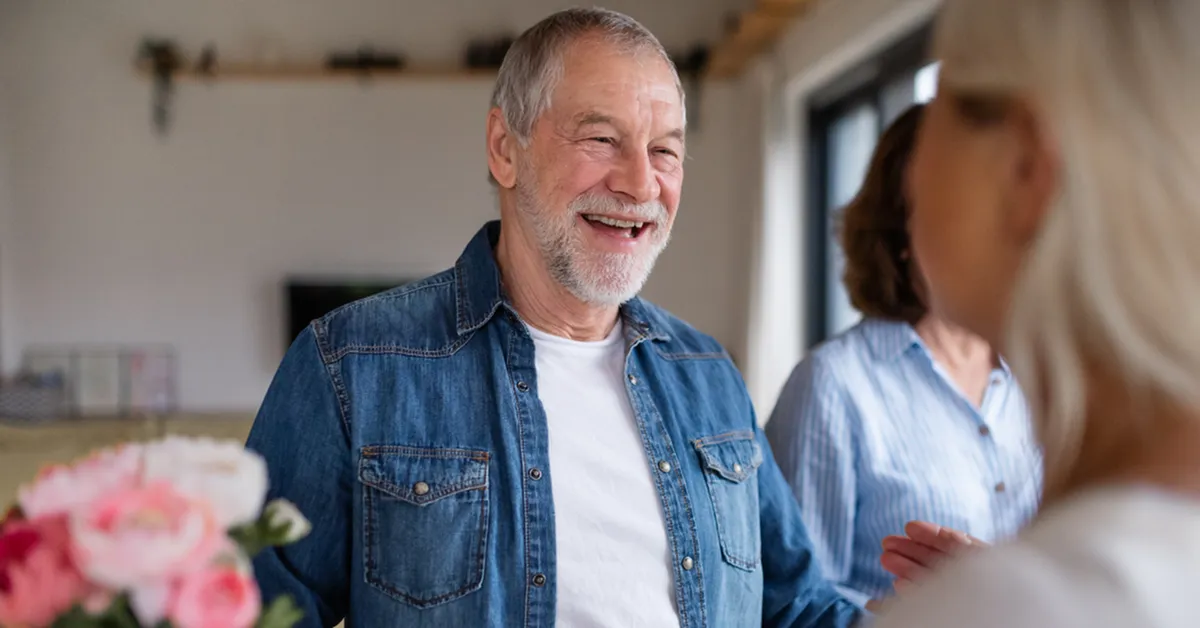
The myth that aging automatically brings depression and declining joy needs to be put to rest. Think of psychological youthfulness as resting on three foundational pillars: Mindset, Movement and Meaning. Our independent living in Evansville, IN, understands these principles deeply. Here, you'll find that positive aging isn't just a concept—it's a daily reality that can make your senior years genuinely fulfilling.
The key to successful aging lies in making intentional daily choices that nurture both physical vitality and mental sharpness, creating a foundation for truly enjoying your most fulfilling years ahead.
Through this blog, you will see how embracing a positive mindset through daily gratitude journaling and breathing exercises can transform independent living. Discover the science-backed tips for mental and physical vitality, including movement and creative hobbies, that support vibrant senior well-being in Evansville, IN.
What are the Best Scientifically Proven Tips for Staying Positive and Feeling Young as You Age?
Science has given us a beautiful truth: a positive mindset doesn't just make you feel younger—it literally helps your body age more gracefully. We're talking about adding up to two years to your life simply through outlook. The beauty lies in simplicity—you don't need complex routines or expensive programs.
1. Start your day with gratitude journaling
Something magical happens when you begin each morning by acknowledging what you're thankful for. The process itself is beautifully straightforward. Dedicate 5-10 minutes each morning to capturing three things that deserve your gratitude—whether they're life-changing moments or simple pleasures. These prompts can help you get started:
- What made you smile yesterday?
- Who is someone you're grateful for and why?
- What personal achievement are you proud of?
2. Practice 5-minute morning breathing exercises
Most of us have developed shallow chest breathing that limits oxygen flow throughout our bodies. Your solution lies in diaphragmatic breathing—a technique that engages your stomach muscles for deeper, more effective breathing.
3. Use positive affirmations in the mirror
Speaking kindness over your life, relationships and health creates profound shifts in how you experience each day. Consider starting your mornings with these affirmations:
- "I am living the best years of my life."
- "I have the benefit of wisdom."
- "Every day I contribute to the world. I have purpose."
4. Take a short walk in natural light
Five minutes outdoors—particularly near water or among trees—can lift your self-esteem while quieting negative thought patterns. Natural sunlight increases production of serotonin (your brain's happiness chemical), which regulates mood, calms stress and sharpens mental clarity.
5. End your day by reflecting on small wins
Before settling into bed, pause to honor your daily accomplishments—no matter their size. This practice nurtures emotional well-being while fostering genuine optimism. People who celebrate their achievements experience notably less stress, anxiety and depression.
What Lifestyle Habits Help Seniors Stay Mentally and Physically Vibrant?

Building physical and mental health that lasts doesn't come from dramatic overhauls or miracle cures. The real magic happens when you develop gentle routines that actually fit your life—habits that feel good rather than punishing. These sustainable practices become the foundation for wellness that genuinely enhances how you experience each day.
Why is movement more important than intense exercise?
Studies suggest that your body craves consistent movement far more than it needs grueling workouts (Stults-Kolehmainen, 2023). While regular physical activity does help prevent chronic diseases common in older adults, the secret lies in showing up regularly rather than pushing yourself to exhaustion. Light movement throughout your day—when done consistently—delivers remarkable benefits.
Think about it this way: a gentle walk, some stretching while watching TV or chair exercises during commercial breaks can serve you better than an intense workout that leaves you sore for days. Your goal isn't to become a fitness fanatic; it's to keep your body happy and functional for years to come.
How does nutrition affect mood and energy in older adults?
The connection between what's on your plate and how you feel runs deeper than most people realize. Your food choices directly influence both your physical vitality and your emotional well-being. A nutrition enriched with varied fruits, vegetables, whole grains and healthy fats doesn't just support brain function—it actively helps prevent cognitive decline.
What role does sleep play in emotional balance?
Sleep does far more than just rest your body—it's when your brain performs essential maintenance on your emotional processing systems. Each night, your mind sorts through the day's experiences and repairs the neural connections that help you handle stress and regulate emotions.
How can hobbies like painting or gardening improve brain health?
Creative activities offer your brain something it desperately needs—the chance to form fresh neural pathways that keep your mind sharp. Gardening connects you with nature in a way that naturally reduces stress and helps regulate emotions. Painting engages multiple areas of your brain simultaneously, strengthening memory and cognitive function.
Supporting Your Well-being
Your journey toward positive aging doesn't require dramatic life changes—it starts with simple, intentional choices you make each day. The evidence couldn't be clearer: aging brings wisdom, emotional resilience and opportunities for growth that younger years simply can't offer.
The senior chapter of your life holds incredible potential. Consider how Stonecreek - Retreat at Leisure Living might support your vision for these years ahead. Call (812) 425-3460 to discover a community that truly understands what it means to age positively and live fully.
FAQs
Q1. What kinds of daily activities can seniors enjoy in independent living communities?
Independent living communities are full of engaging activities designed to keep life fun and fulfilling. Seniors can join fitness or yoga classes, get creative in art workshops, play cards or board games with friends or unwind at social events like happy hours. Many communities also plan group outings to local restaurants, museums or parks.
Q2. How can seniors stay positive and maintain a good outlook as they get older?
Staying positive while aging often comes down to simple daily habits. Seniors can try writing in a gratitude journal, practicing deep breathing or meditation, and using uplifting affirmations. Taking a short walk outside or reflecting on small accomplishments each day can also make a big difference.